Chapter 03 · Saturday, April 20, 2024
Wildlife and Landscapes of Point Reyes
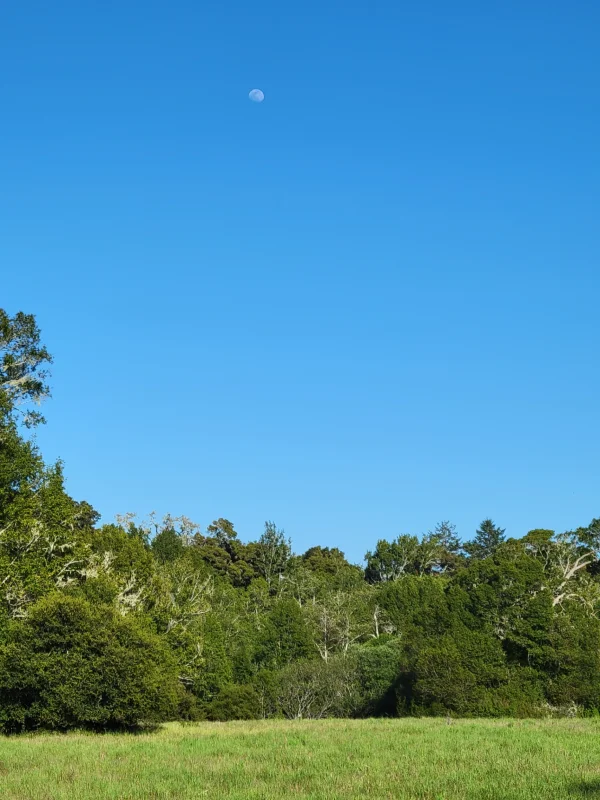
We spent the day exploring Point Reyes National Seashore, visiting multiple areas within the park including Kehoe Beach, and also stopped at Dillon Beach along the northern California coast. Throughout the day we walked coastal terrain, took in views of the shoreline, and photographed the landscape across several stops.
Point Reyes National Seashore
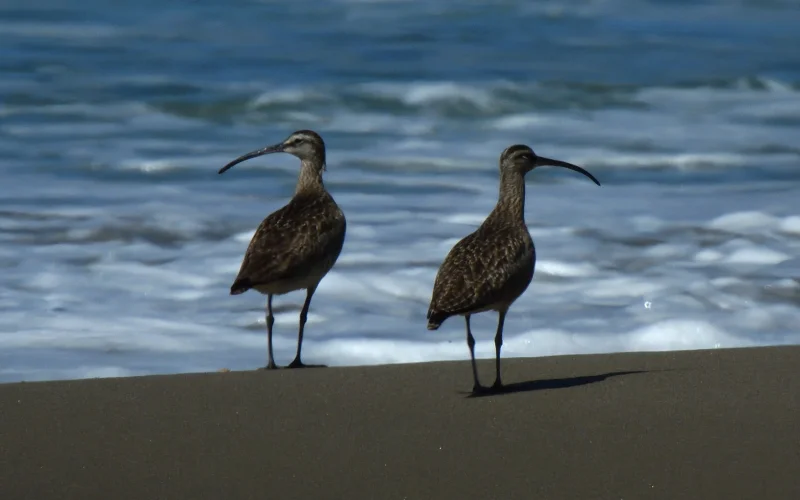
“A pair of Whimbrels were just standing at the water's edge — those long curved bills are hard to miss up close.”
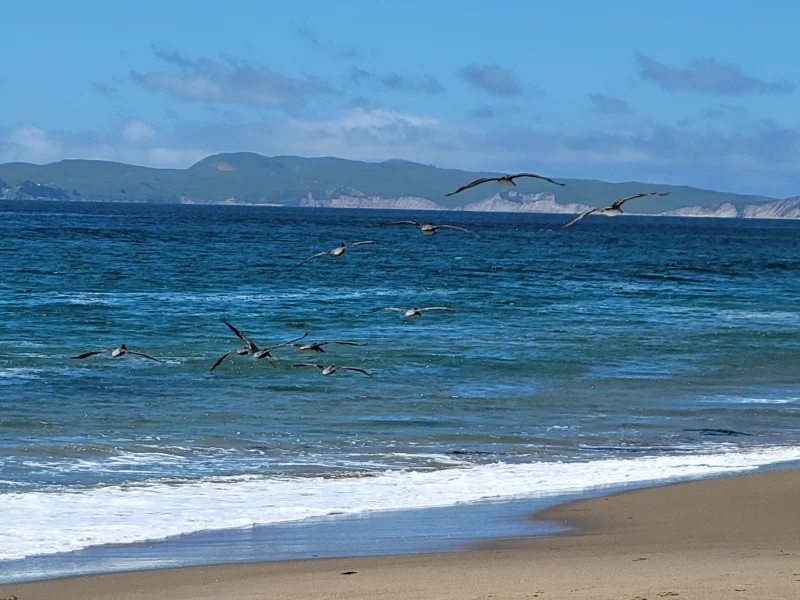
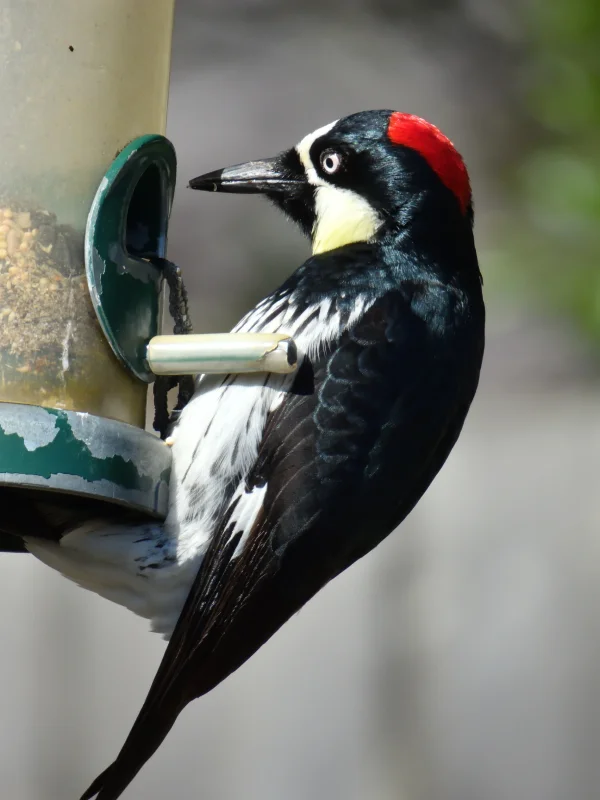
We hit a few spots along Point Reyes today and kept running into birds. Early on, a pair of Whimbrels were just standing at the water's edge — those long curved bills are hard to miss up close. By midday at Limantour Beach, a bunch of Brown Pelicans came through flying low over the surf, close enough that you could actually hear the wingbeats. Later in the afternoon, an Acorn Woodpecker showed up at a feeder and just went to work. Good day for birding without really trying.
Migration
Whimbrels fly nonstop over open ocean during migration, with some individuals tracked making single flights of over 4,000 miles between Alaska and South America.
“In every walk with nature, one receives far more than he seeks.”
— John Muir
Point Reyes National Seashore, California
“The bill is even longer than you'd expect from photos.”
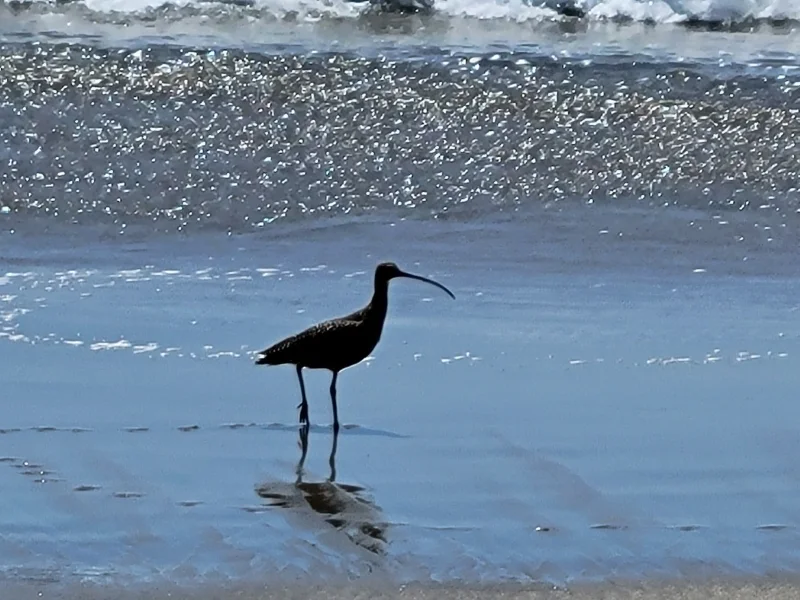
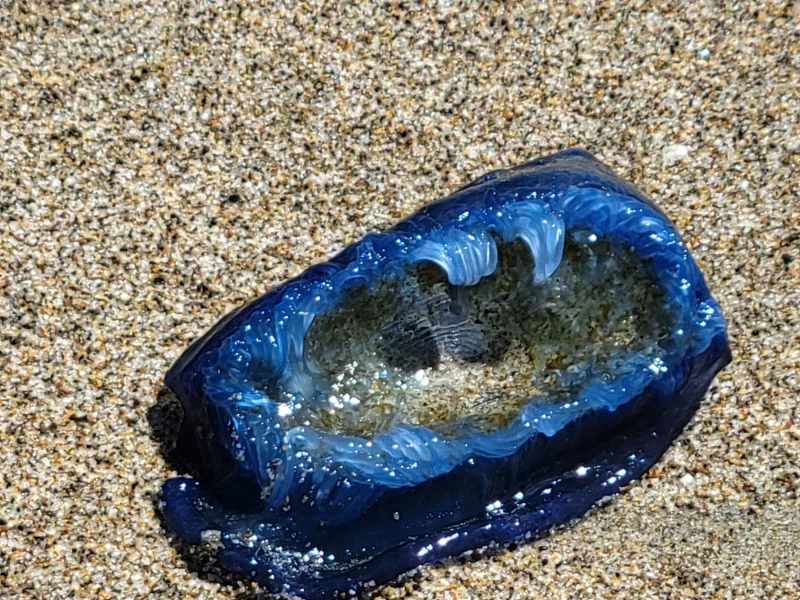
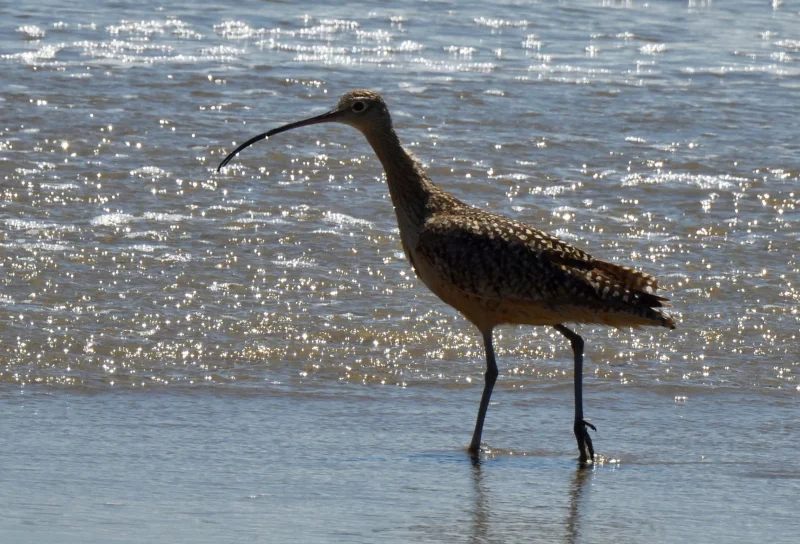
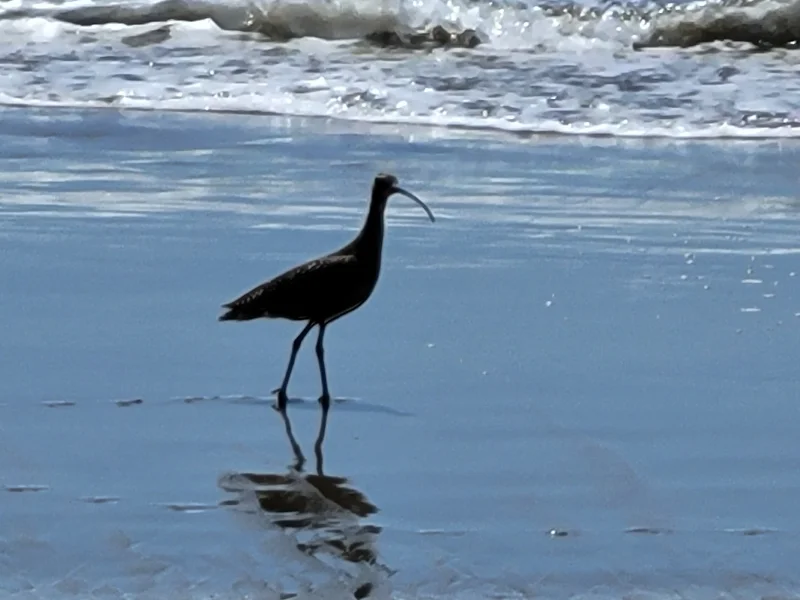
Limantour Beach was the highlight of the midday stop. The beach was covered in by-the-wind sailors — those small jellyfish-like creatures with little clear sails — washed up all along the waterline. Then we spotted a Long-billed Curlew working the shallows, using that ridiculous curved bill to dig around in the wet sand. It's a big bird and the bill is even longer than you'd expect from photos. We watched it forage for a while before moving on.
The Curlew's Bill
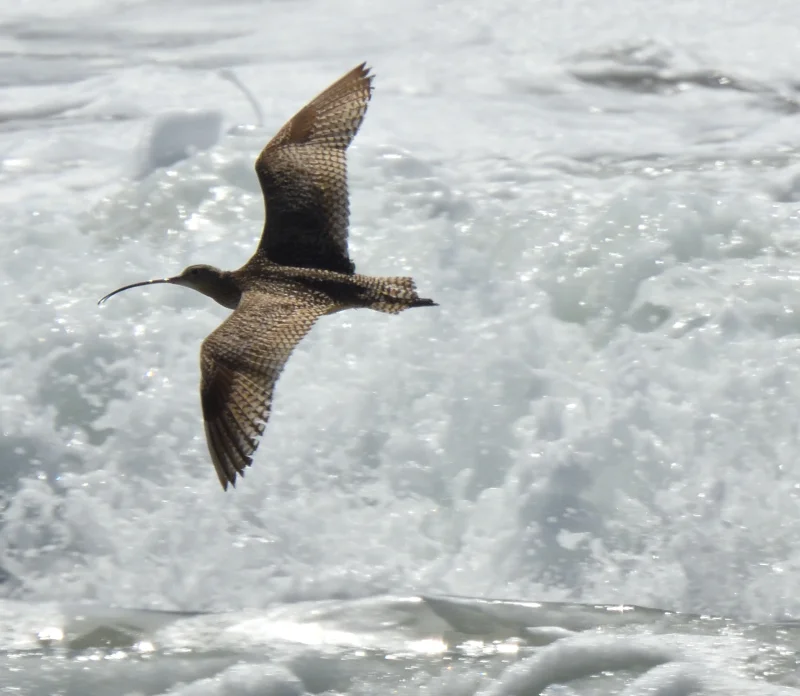
A Long-billed Curlew's bill can reach up to 8.7 inches — longer than the rest of its head and body combined — and curves downward to match the shape of ghost shrimp burrows.
“In every walk with nature, one receives far more than he seeks.”
— John Muir
Point Reyes National Seashore
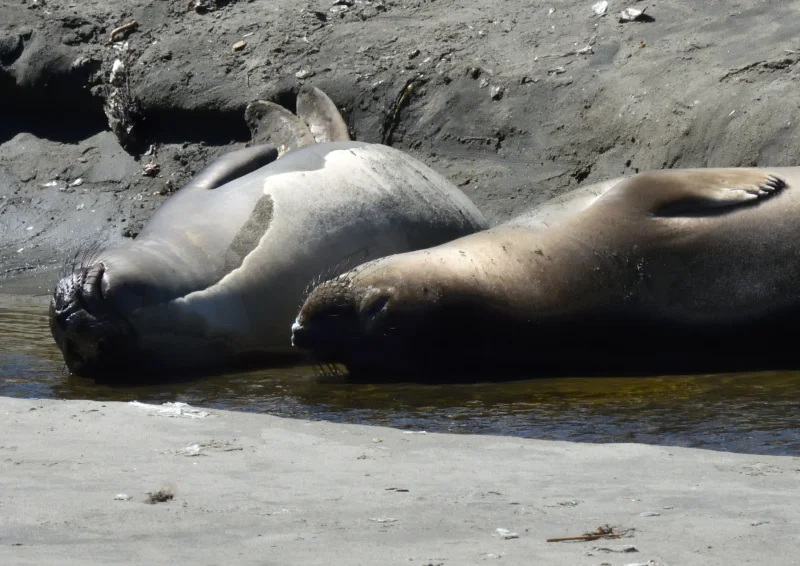
“One of them was mid-molt, which looks pretty rough — patchy skin peeling off while it just lays there.”
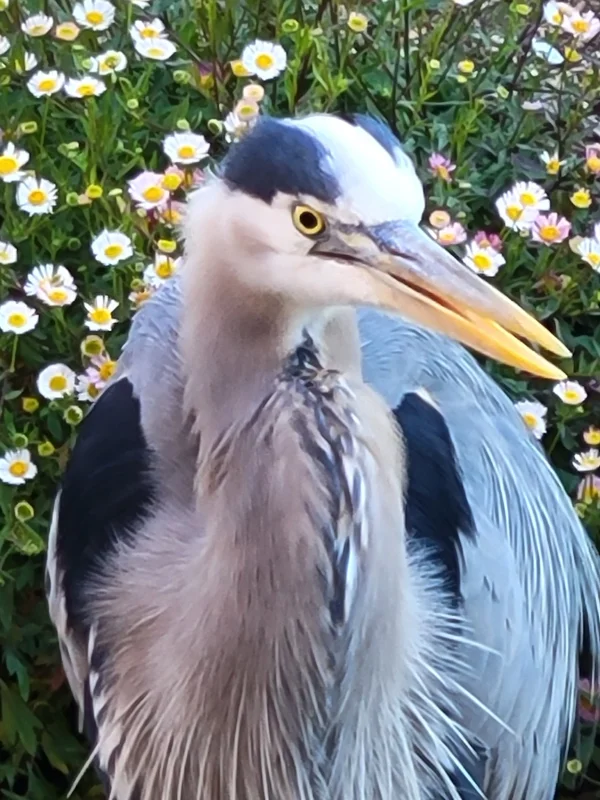
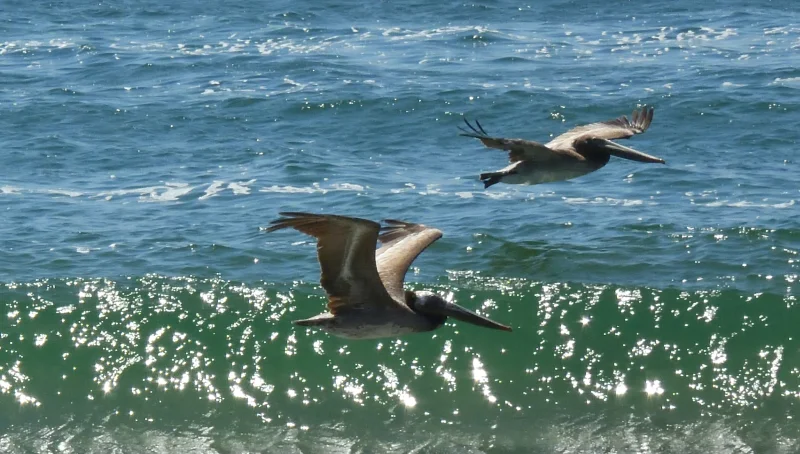
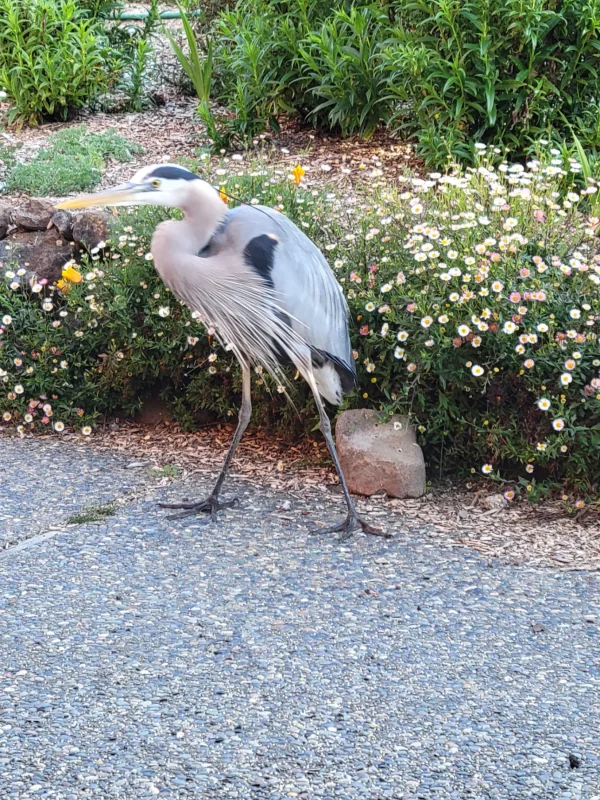
Point Reyes kept us busy all morning and into the afternoon. First thing, we came across a Great Blue Heron standing in a patch of seaside daisies — just completely still, doing its thing. Later we watched a couple of Brown Pelicans flying low over the waves, barely moving their wings. By mid-afternoon we found elephant seals hauled out on the beach, and one of them was mid-molt, which looks pretty rough — patchy skin peeling off while it just lays there.
Elephant Seals
The elephant seal population at Point Reyes was reestablished from scratch — the first pup born there wasn't recorded until 1981, after the species had been hunted to near-extinction in the 19th century.
“In every walk with nature, one receives far more than he seeks.”
— John Muir, journal entry
Kehoe Beach, Point Reyes National Seashore, California
“It had a colored leg band, so it's being tracked by researchers.”
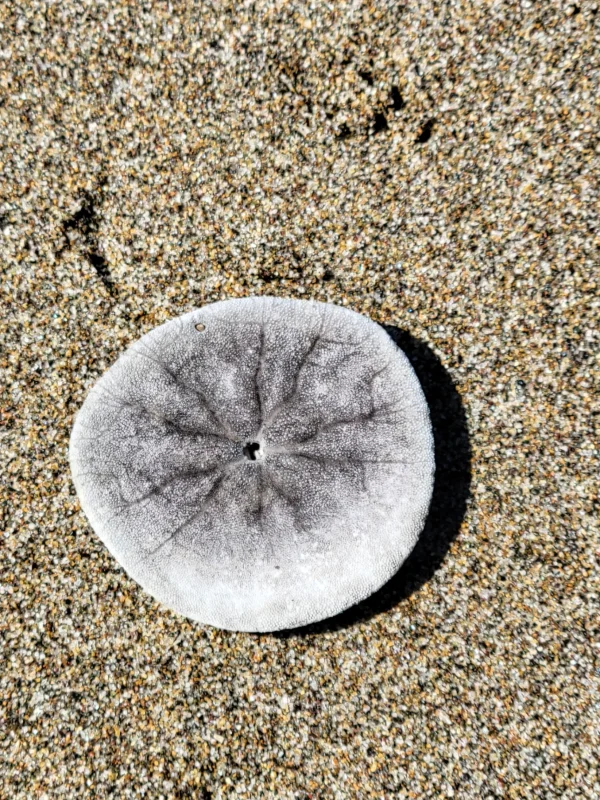
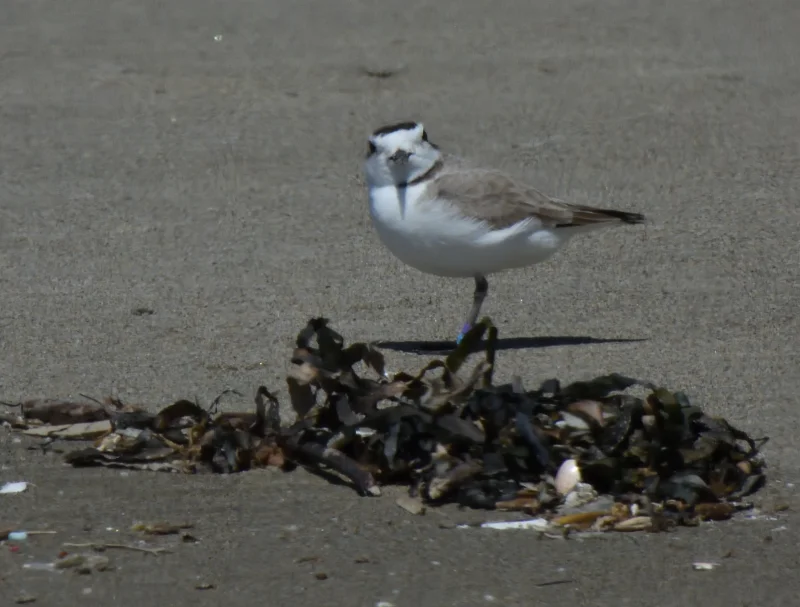
Kehoe Beach was mostly empty, which made it easy to spot things on the sand. Someone found a sand dollar test near the waterline — intact, which felt lucky. Later we came across a snowy plover standing on one leg, doing absolutely nothing in a very committed way. It had a colored leg band, so it's being tracked by researchers. Didn't stay long at either spot, just long enough to look.
Snowy Plover Recovery
The Pacific coast population of Western snowy plovers was listed as threatened in 1993. Point Reyes is one of the few places where active nest monitoring and predator management have helped stabilize local numbers.
“In every walk with nature, one receives far more than he seeks.”
— John Muir, unpublished journals
Point Reyes National Seashore, California
“That bill really is absurdly long up close.”
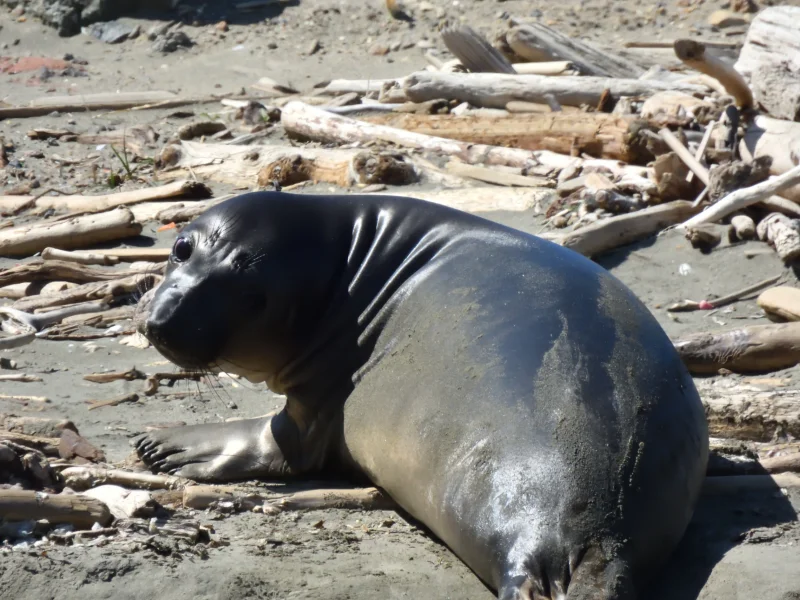
We caught a good mix of wildlife out at Point Reyes today. Around noon, a Long-billed Curlew came in low over the surf — that bill really is absurdly long up close. Later in the afternoon we found a young elephant seal parked on the beach, just a weaner doing its thing, not going anywhere. By the time we got to the southern end near Bolinas, the moon was already up over the meadow even though the sun hadn't set yet. Good day out there.
Elephant Seals
After being hunted nearly to extinction by the 1890s, northern elephant seals rebounded from fewer than 100 individuals to a population now exceeding 200,000 — one of the most dramatic marine mammal recoveries on record.
“In every walk with nature, one receives far more than he seeks.”
— John Muir, unpublished journals
Dillon Beach, California
“There were hundreds of them.”
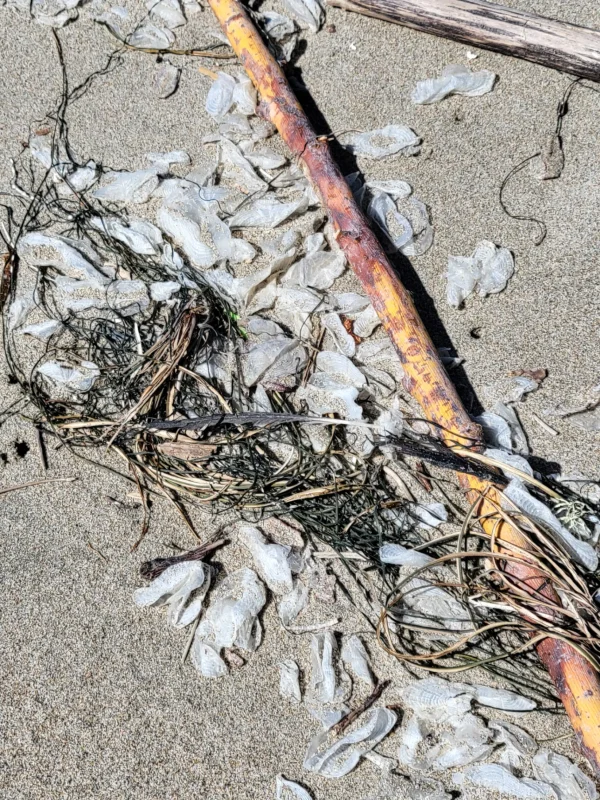
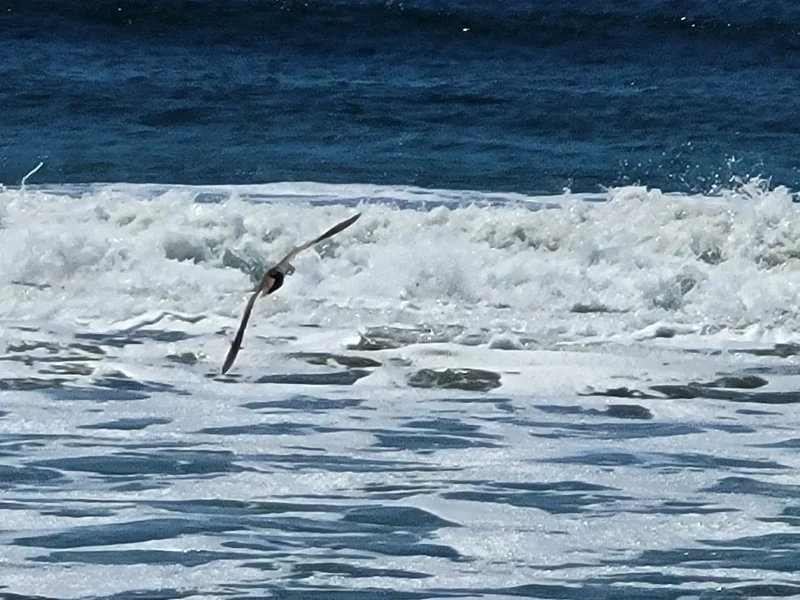
We got to Dillon Beach in the morning and found the sand covered in Velella velella — those small blue sail-like things that wash up in big numbers when the wind pushes them in. There were hundreds of them. Later we watched a seabird working the surf line, flying low over the water without much apparent effort. It was a good stretch of beach to walk.
Velella velella
Each Velella velella isn't a single animal — it's a colony of specialized polyps. The diagonal sail on top can be oriented either left or right, meaning about half the world population drifts one direction and half the other.
“The sea does not reward those who are too anxious, too greedy, or too impatient. To dig for treasures shows not only impatience and greed, but lack of faith. Patience, patience, patience, is what the sea teaches.”
— Anne Morrow Lindbergh, Gift from the Sea
Point Reyes National Seashore
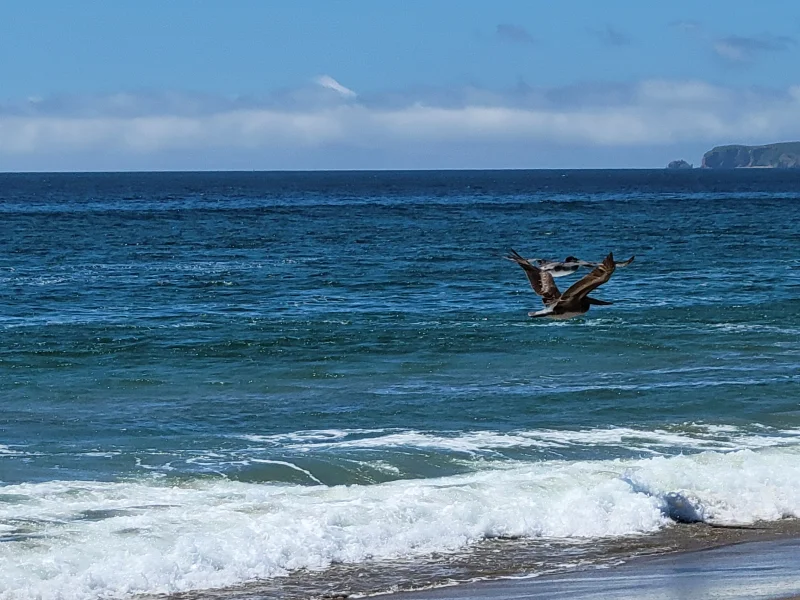
“We caught a pair of brown pelicans flying low along the surf at Drakes Beach around lunchtime — they were right on the water, barely clearing the waves.”
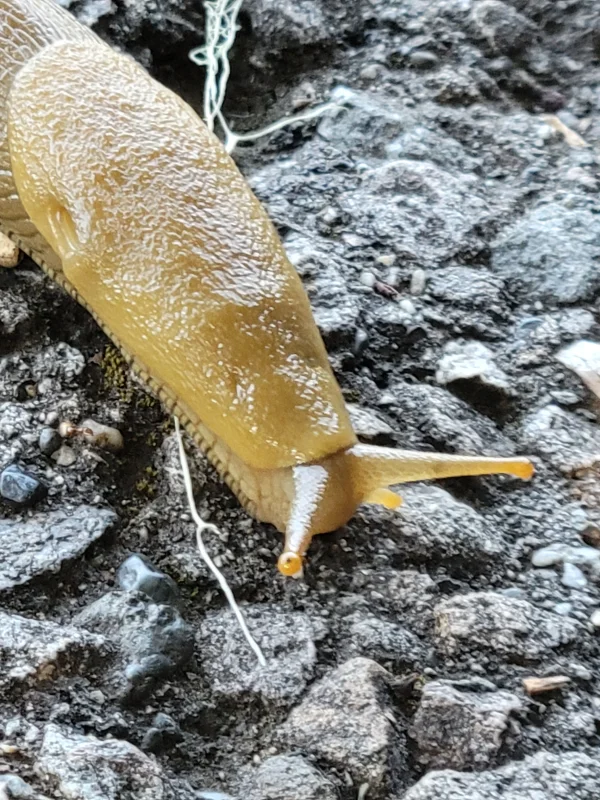
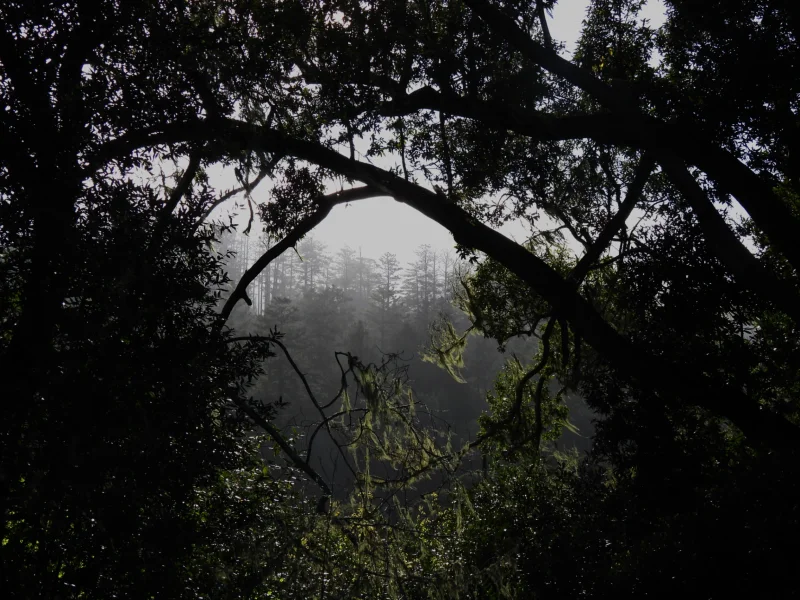
We caught a pair of brown pelicans flying low along the surf at Drakes Beach around lunchtime — they were right on the water, barely clearing the waves. Later in the afternoon the fog had rolled into the forest and we spotted a banana slug making its way across the pavement, which was a first for a few of us. The day wound down pretty quietly after that.
Geology
The Point Reyes peninsula sits on the Pacific Plate and has moved roughly 25 miles northwest relative to the North American Plate over the past few million years — the 1906 San Francisco earthquake shifted it 20 feet in a single event.
“In every walk with nature, one receives far more than he seeks.”
— John Muir, journal writings
Tap any photo to open slideshow